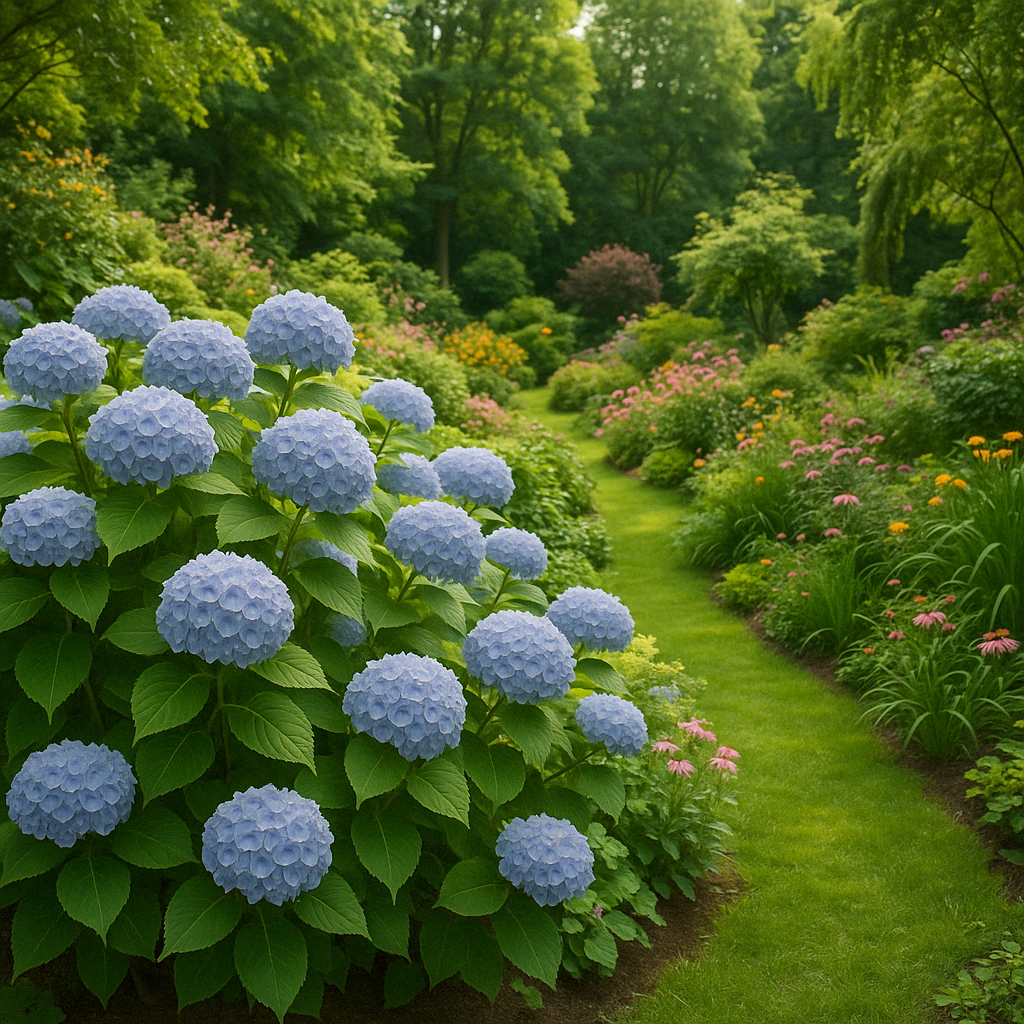
With their bold clusters of blossoms and stunning range of colors, hydrangeas are a garden favorite that never goes out of style. Whether you’re growing them in a shady spot in your garden or in decorative pots on your patio, these lush bloomers make a statement—and they’re surprisingly easy to care for!
Let’s dig into how to grow, care for, and truly enjoy hydrangeas in your home garden.
💐 Why Gardeners Love Hydrangeas
Hydrangeas offer:
- Large, long-lasting blooms from spring through summer
- A variety of types and colors (blue, pink, white, purple)
- Stunning cut flowers and dried arrangements
- Low-maintenance care once established
They’re perfect for cottage gardens, shaded borders, and adding romantic flair to any green space.
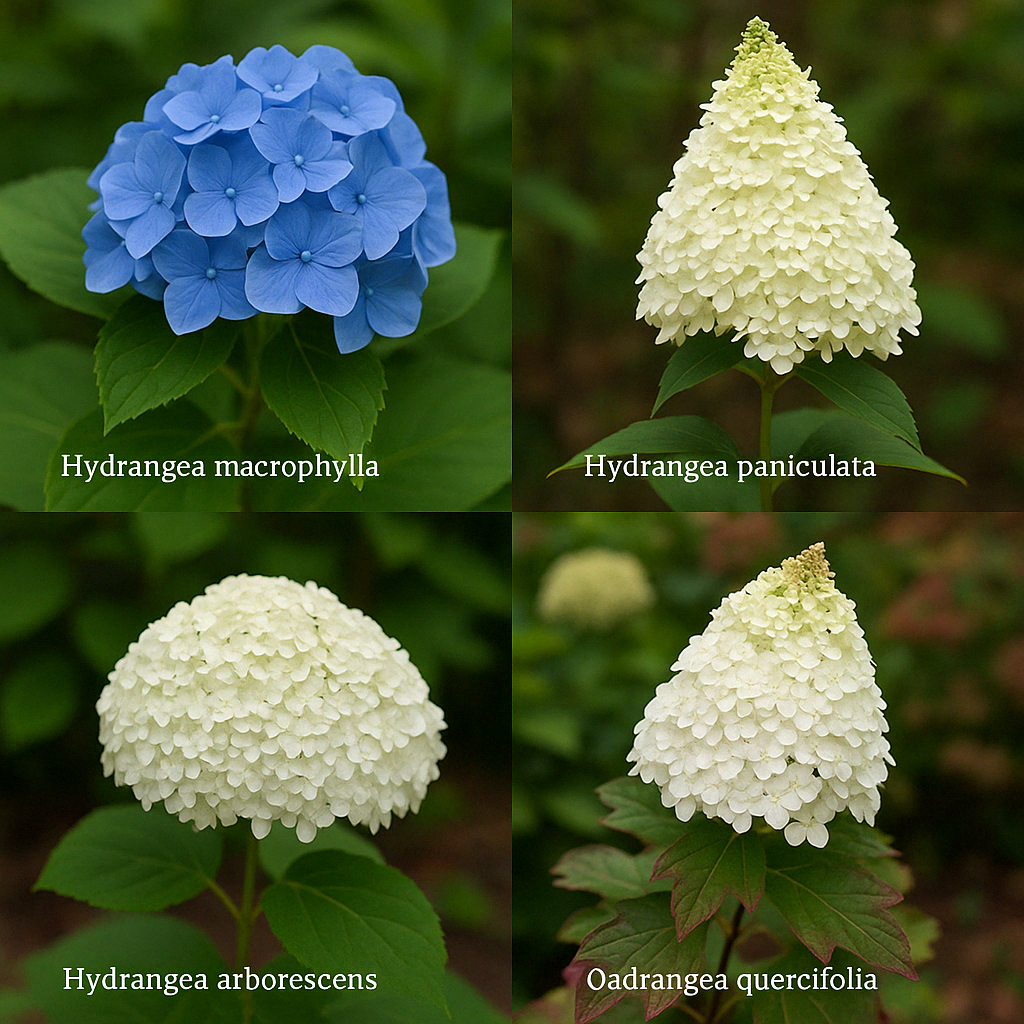
🌱 Popular Types of Hydrangeas
- Hydrangea macrophylla (Bigleaf) – Known for color-changing blooms based on soil pH (blue in acidic soil, pink in alkaline)
- Hydrangea paniculata (Panicled) – More sun-tolerant and great for warmer regions
- Hydrangea arborescens (Smooth) – Large white blooms, hardy and easygoing
- Hydrangea quercifolia (Oakleaf) – Unique leaves that turn red in autumn; loves shade
☀️ Light & Location
Hydrangeas prefer:
- Morning sun and afternoon shade (especially in hot South African regions)
- Protection from harsh midday rays, which can scorch the leaves
- Good air circulation but not windy spots
Ideal placement: Along east-facing walls or under light tree cover.
💧 Watering & Soil Needs
Hydrangeas love moist, well-draining soil. Here’s how to keep them happy:
- Water deeply 2–3 times a week, more in hot/dry spells
- Add mulch to retain moisture and keep roots cool
- Avoid letting soil dry out completely between waterings
👉 Bonus tip: Add compost or organic matter to enrich the soil—it makes a huge difference!
🎨 Changing Bloom Colors
One of the coolest things about certain hydrangeas (especially macrophylla) is their ability to change color based on soil pH:
- Acidic soil (pH < 6): Blooms turn blue
- Alkaline soil (pH > 7): Blooms turn pink
You can influence this by adding:
- Aluminium sulfate to encourage blue flowers
- Garden lime to encourage pink ones
(Just note that white hydrangeas won’t change color.)
✂️ Pruning & Maintenance
- Prune dead or damaged stems in late winter or early spring
- For most varieties, only light pruning is needed
- Don’t cut back too much—many hydrangeas bloom on “old wood” from the previous year
🐝 Hydrangeas in Your Ecosystem
Hydrangeas may not be the biggest draw for bees and butterflies, but they still play a lovely role in your garden. Use them alongside other pollinator-friendly plants like lavender, salvia, or alyssum for a balanced, buzzing garden space.

🌼 Final Thoughts
Hydrangeas are timeless for a reason—elegant, versatile, and forgiving. Whether you’re growing them in beds, borders, or containers, these floral showstoppers will reward you with months of colorful blooms and compliments from every garden guest.
🛒 Ready to Grow?
Browse our Hydrangea’s to create your dream flower garden today.

Hydrangea in Pot (Small)
Brighten up any space with this charming Hydrangea in a Small Pot! Known for its lush, colorful blooms and easy care, this compact plant is perfect for tabletops, small gardens, and cozy spaces. Ideal for gifting or adding vibrant elegance to your home décor.
Out of stock


No comment