
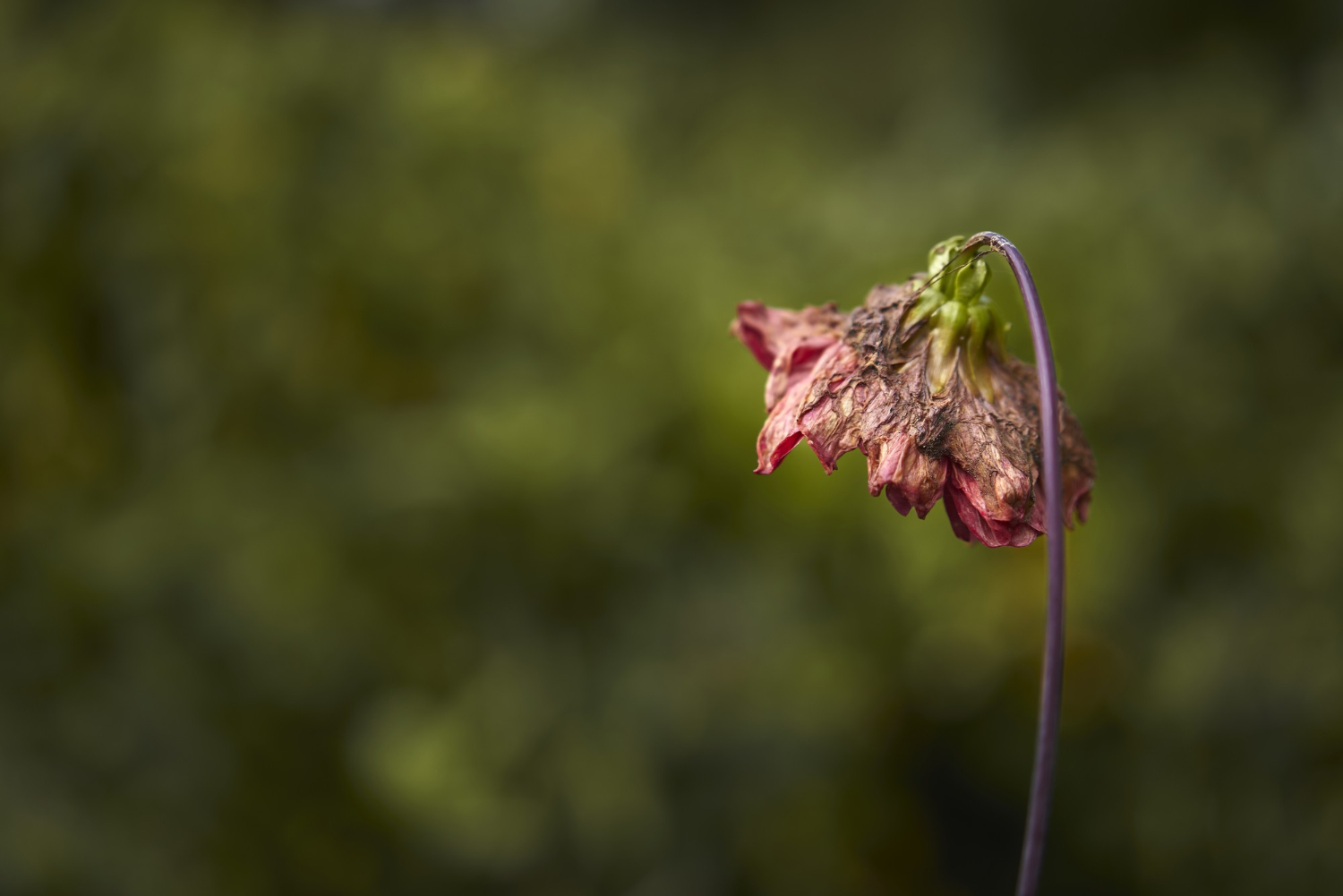
Let’s start with a confession: I’ve killed more plants than I care to count.
There was the fiddle leaf fig that dropped every single leaf within two weeks of coming home with me. The orchid that I loved to death with overwatering and obsessive attention. The herb garden that became a monument to brown, crispy disappointment. And don’t even get me started on the succulent graveyard that once was my sunny windowsill.
For years, I carried the shame of being a “plant killer.” I’d sheepishly avoid the plant section at stores, convinced I had some sort of anti-green thumb that doomed any vegetation that came into my care. I thought successful plant parents were blessed with some magical knowledge I’d never possess.
Then something shifted. Instead of seeing my plant casualties as failures, I started seeing them as teachers. And that’s when I discovered one of gardening’s best-kept secrets: sometimes the plants that don’t make it give us the greatest gifts of all.
Redefining Plant “Failure”
Here’s the thing about plant “failure”—it’s usually not about the plant at all. It’s about unrealistic expectations, mismatched environments, or simply the natural cycle of life and death that governs every living thing.
That fiddle leaf fig I mentioned? It taught me that bringing a tropical plant into a dry, low-light apartment and expecting it to thrive was like expecting a fish to flourish in a tree. The lesson wasn’t that I failed—it was that I needed to better understand what my plants actually needed versus what I wanted them to tolerate.
The overwatered orchid showed me that love without boundaries can be destructive, whether we’re talking about plants or people. Sometimes caring too much causes more harm than caring too little.
And that crispy herb garden? It was my first lesson in seasonal cycles and the importance of accepting that not everything is meant to last forever—and that’s okay.
The Gifts of ‘Failed’ Plants
They Humble Us (In the Best Way)
There’s something beautifully humbling about a $3 pothos dying under your care while your neighbor’s grows into a jungle with zero effort. These moments strip away our pretensions and remind us that we’re not in control of everything—and we don’t need to be.
My first major plant failure was actually liberating. It freed me from the pressure of having to be perfect and opened up space for curiosity, experimentation, and genuine learning.
They Teach Us to Pay Attention
A thriving plant might forgive your neglect or inappropriate care for months. A struggling plant demands your attention immediately. My “difficult” plants taught me to really observe—to notice subtle changes in leaf color, soil moisture, and growth patterns that I would have missed otherwise.
My black thumb gradually turned green not through some magical transformation, but through the forced education of trying to save plants that were clearly unhappy with my care.
They Reveal What Actually Works
Every plant that didn’t make it in your space is valuable data about your specific environment, lifestyle, and preferences. That collection of failed succulents taught me that despite Pinterest’s promises, my north-facing apartment wasn’t actually the desert paradise these plants needed.
The herbs that bolted immediately told me my balcony got more intense afternoon sun than I realized. The houseplants that thrived briefly before declining showed me the difference between surviving and thriving.
They Connect Us to Natural Cycles
In our death-phobic culture, plants that complete their natural life cycles in our care can be profound teachers about acceptance, impermanence, and the beauty of letting go.
I had an amaryllis that bloomed spectacularly one year, then refused to bloom again despite my best efforts. After two years of trying to force it back into flower, I finally accepted that maybe its gift was that one perfect blooming season. I composted it with gratitude rather than guilt.
My Favorite “Failure” Stories 🌱
The Ivy That Refused to Die
I bought a small English ivy, convinced it would cascade beautifully from my bookshelf. Instead, it slowly declined, losing leaves and looking increasingly miserable. I moved it around the apartment, tried different watering schedules, even talked to it encouragingly (don’t judge).
Finally, in frustration, I stuck it outside on my fire escape and forgot about it, assuming it would finish dying there. Six months later, I discovered it had not only survived but was thriving in the variable outdoor conditions, spreading along the railing and creating a lovely green screen.
The lesson: Sometimes what looks like failure is just a plant trying to tell us where it actually wants to live.
The Tomato That Grew Sideways
I started tomato seedlings indoors one spring, dreaming of summer caprese salads. Due to insufficient light, my seedlings grew tall, spindly, and eventually flopped over completely. I was ready to toss them when a friend suggested I plant them sideways, burying the long stems and leaving just the top leaves above ground.
Those “failed” seedlings produced some of the strongest tomato plants I’ve ever grown, with extensive root systems along their buried stems.
The lesson: What looks like weakness might actually be potential strength in disguise.
The Peace Lily Drama Queen
I inherited a peace lily that seemed to thrive on dramatic near-death experiences. It would droop catastrophically every few days, causing me to panic and water it, only to perk up immediately afterward. This cycle repeated for months until I realized the plant was training me rather than the other way around.
I learned to ignore the drama and stick to a regular watering schedule. The plant eventually settled into a normal routine, but only after teaching me not to react to every minor crisis with panic.
The lesson: Sometimes plants (like people) need consistent boundaries more than dramatic rescue efforts.
The Beautiful Imperfection
One of my favorite corners of my current garden is what I call my “experiment zone”—a spot where I try plants that might not work, test new varieties, and generally embrace the possibility of failure. Some things thrive unexpectedly, others fail spectacularly, and a few surprise me by doing something completely different than expected.
This corner has taught me that perfection is overrated. The most interesting gardens—and lives—are the ones with a few failed experiments, unexpected outcomes, and stories of resilience in the face of apparent disaster.
Permission to Fail Forward
If you’ve killed plants, congratulations—you’re now qualified to be a gardener. Real plant parents don’t have perfect track records; they have experience, observation skills, and the wisdom that comes from learning what doesn’t work.
Your next “failed” plant isn’t evidence of your inadequacy; it’s tuition paid toward your gardening education. Every brown leaf, every root-bound disaster, every plant that just never quite thrived is teaching you something valuable about light, water, timing, placement, or simply the art of accepting what is rather than forcing what you think should be.
Embracing the Unexpected
Some of my most treasured plant relationships have grown from apparent failures. The herb garden that bolted led me to discover the beautiful flowers that carrot tops produce. The houseplant that wouldn’t stop dropping leaves taught me to propagate, turning one struggling plant into a dozen healthy ones.
The orchid that never bloomed again became my gateway into appreciating plants for their foliage rather than just their flowers. The succulent arrangement that fell apart introduced me to the meditative practice of creating small, temporary plant compositions.
Your Failure Success Stories
Every experienced plant person has a collection of “failure” stories that are actually their most valuable learning experiences. These stories connect us, humble us, and remind us that growth—both for plants and people—often comes through struggle rather than ease.
Your wilted basil isn’t just dead herbs; it’s information about watering, light, or timing. Your stretched-out succulent isn’t just an ugly plant; it’s data about your home’s light conditions. Your failed vegetable garden isn’t evidence of your inadequacy; it’s your first semester in the school of seasonal gardening.
Growing Through It All
The plants that thrive easily are lovely, but they’re not particularly interesting teachers. It’s the ones that challenge us, puzzle us, and occasionally defeat us entirely that expand our understanding and deepen our appreciation for the complexity of growing things.
So here’s to all the plants that didn’t make it, the gardens that didn’t quite work out, and the dreams that required adjustment. They’re not failures—they’re the foundation of wisdom, the source of humility, and often the gateway to discovering what actually brings us joy in the garden.
Because sometimes the most beautiful growth happens not in spite of our failures, but because of them.



No comment