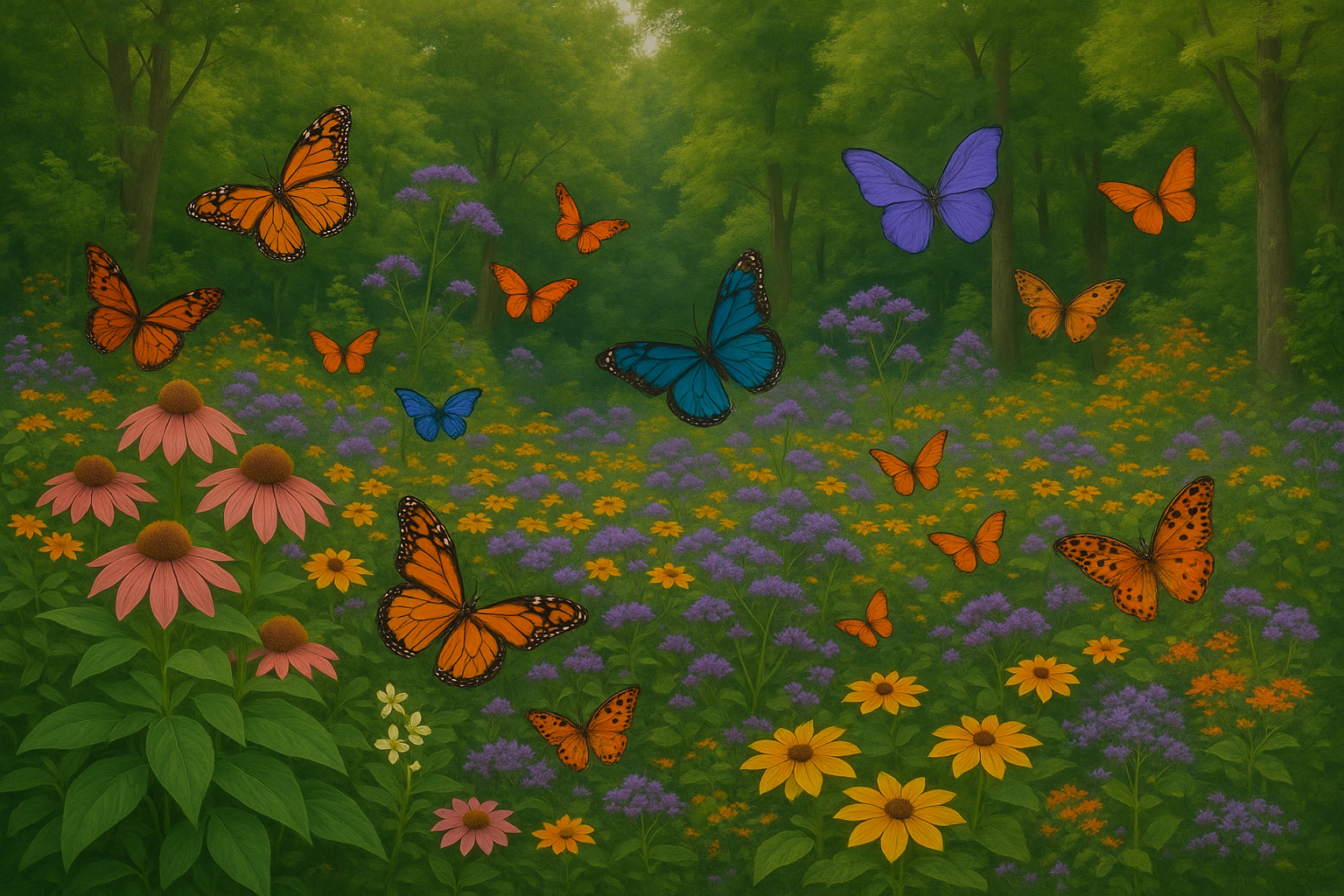
There’s something magical about seeing butterflies fluttering through your garden. These colorful pollinators don’t just add beauty—they also play an important role in maintaining a healthy, thriving garden ecosystem.
If you’d love to turn your backyard into a butterfly haven, here’s everything you need to know to attract and support butterflies naturally.
🌸 Why Butterflies Matter
Butterflies are essential pollinators, helping plants produce fruits, seeds, and flowers. A butterfly-friendly garden also:
- Boosts biodiversity
- Supports other pollinators like bees
- Encourages a more balanced, natural environment
Plus, they’re a joy to watch for gardeners of all ages!
🌿 How to Create a Butterfly-Friendly Garden
1. Plant Nectar-Rich Flowers
Butterflies feed on nectar, so having a steady supply of flowering plants is key. Choose a mix of varieties that bloom across the seasons to provide year-round food.
Top nectar plants:
- Lavender
- Coneflower (Echinacea)
- Salvia
- Verbena
- Zinnias
- Buddleia (Butterfly Bush)
🌼 Tip: Native plants are especially attractive to local butterfly species.
2. Provide Host Plants for Caterpillars
Adult butterflies lay their eggs on specific plants that their caterpillars can eat. Without host plants, butterflies may visit but won’t stay.
Common host plants:
- Milkweed (for Monarch butterflies)
- Wild violets
- Passionflower
- Parsley, fennel, and dill (for Swallowtail butterflies)
Remember: caterpillars will eat these plants—consider it part of the cycle, not a problem!
3. Offer Sun and Shelter
Butterflies are cold-blooded and need warmth to fly. Make sure your garden has:
- Sunny spots for basking
- Rocks or large flat stones for sunbathing
- Trees, shrubs, or tall grasses for wind protection and resting
4. Create a Water Source
Butterflies love shallow water and mud puddles where they can drink minerals. You can create a puddling station by:
- Filling a shallow dish with wet sand or mud
- Adding a few flat stones for perching
- Keeping it moist during dry days
5. Avoid Pesticides
Chemical pesticides harm butterflies at all stages—egg, larva, and adult. Choose natural pest control methods like companion planting or handpicking pests instead.
🪻 Best Practices for a Butterfly Garden
- Plant in clusters – Butterflies prefer lots of one flower type together
- Mix colors and heights – Bright, open flowers are easiest for butterflies to find
- Keep it wild – A slightly untamed garden is perfect for butterflies
- Stay patient – It may take a season or two for butterflies to find and frequent your garden
🌼 The Joy of a Butterfly Garden
A butterfly-friendly garden isn’t just beautiful—it’s alive, vibrant, and full of wonder. By planting thoughtfully and nurturing a pollinator habitat, you’re helping your local ecosystem one winged visitor at a time.
📬 Love natural gardening? Subscribe to our newsletter for more pollinator tips, seasonal planting guides, and eco-friendly inspiration!



No comment