

Starting plants from seed is one of the most satisfying (and affordable) ways to grow your garden. Watching life sprout from a tiny seed never gets old—but for beginners, germination can sometimes feel like a bit of a mystery.
In this guide, we’ll walk you through everything you need to know to start seeds successfully and give your plants the best possible beginning.
🌿 Why Start from Seed?
- It’s cost-effective – A single seed packet can yield dozens of plants
- You’ll find more variety than buying seedlings
- It’s deeply rewarding to grow something from scratch
- You can time your plantings for seasonal success
Whether you’re starting vegetables, herbs, or flowers, the process is similar—and easier than you think.
🧬 What Do Seeds Need to Germinate?
To germinate, seeds need:
- Moisture – To soften the seed coat and activate growth
- Warmth – Most seeds prefer 18–24°C (room temp or slightly warmer)
- Air – Oxygen is vital during early growth
- Time – Each plant has its own germination timeline (check your seed packet)
Light: Some seeds require light to germinate (like lettuce), while others prefer darkness (like nasturtiums). Always check the seed packet for guidance!
📦 Supplies You’ll Need
- Seed trays, containers, or recycled items (like egg cartons or yoghurt tubs)
- Seedling mix or fine, well-draining compost
- Seeds (fresh is best!)
- A spray bottle or watering can with a fine spout
- A warm, bright spot—windowsill, greenhouse, or seedling heat mat
🌱 Step-by-Step: How to Start Seeds
- Fill your containers with moist seedling mix
- Plant your seeds at the recommended depth (usually 2–3x the seed’s width)
- Label your trays – trust us, it’s easy to forget what’s what!
- Mist gently with water to avoid disturbing seeds
- Cover with a plastic dome or clingwrap to hold humidity (optional)
- Place in a warm spot with indirect sunlight or under grow lights
- Check daily – keep the soil moist but not soaked
Once your seedlings emerge, remove the cover and move them to a brighter location.
🌞 After Germination: What’s Next?
- Rotate trays daily to avoid leggy seedlings that stretch toward light
- Thin them out by snipping the weaker sprouts at the base
- Start feeding with a diluted organic liquid fertilizer once true leaves appear
- Harden off before planting outside—gradually expose seedlings to outdoor conditions over 7–10 days
🚫 Common Mistakes to Avoid
- Overwatering – Damps off seedlings and can cause mold
- Not enough light – Causes weak, leggy growth
- Sowing too deep – Some seeds won’t germinate if buried too far
- Using garden soil – It’s too heavy and may contain pathogens
🌼 Easy Seeds for Beginners
Start with high-success, fast-growing seeds like:
- Basil
- Lettuce
- Tomatoes
- Marigolds
- Zinnias
- Spinach
- Sunflowers
🛒 Need Supplies?
We’ve got you covered! Browse our Beginner-Friendly Seeds in the shop.
On sale products
-
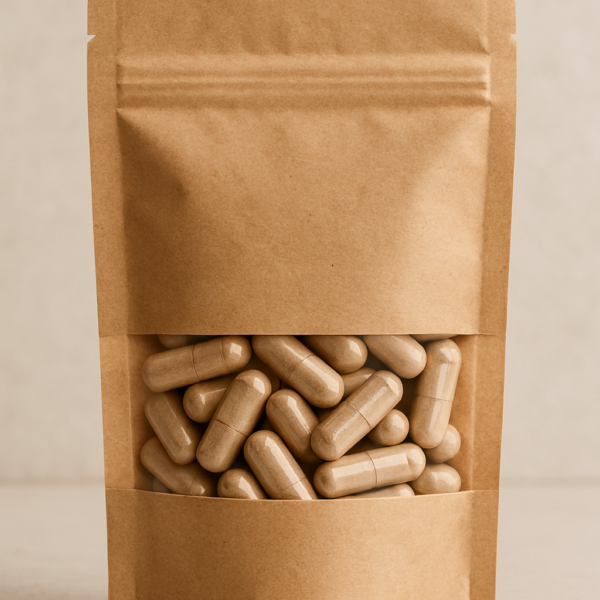
Cordyceps Mushroom Capsules
R150,00 – R410,00 -
Jade Plant (Medium)
Original price was: R120,00.R85,00Current price is: R85,00. -
Lion’s Mane Mushroom Capsules
R150,00 – R410,00 -
Reishi Mushroom Capsules
R150,00 – R410,00 -
Tall Wooden Planter
Original price was: R1200,00.R650,00Current price is: R650,00.



No comment