

Ever wondered why some spaces just feel fresher and more alive? The secret might be hiding in their houseplants! NASA’s famous Clean Air Study revealed that certain plants don’t just look pretty – they’re actually hard at work cleaning the air we breathe.
Why Your Home Needs Air-Purifying Plants
Modern homes can trap various indoor pollutants:
- VOCs (Volatile Organic Compounds) from paint and furniture
- Household cleaning products
- Air fresheners and aerosols
- Electronics emissions
- Dust and allergens
Enter our green heroes! These plants act as natural air filters, removing toxins while adding oxygen and humidity to your space.
Top Air-Purifying Plants for Your Home
1. Spider Plant (Chlorophytum comosum)
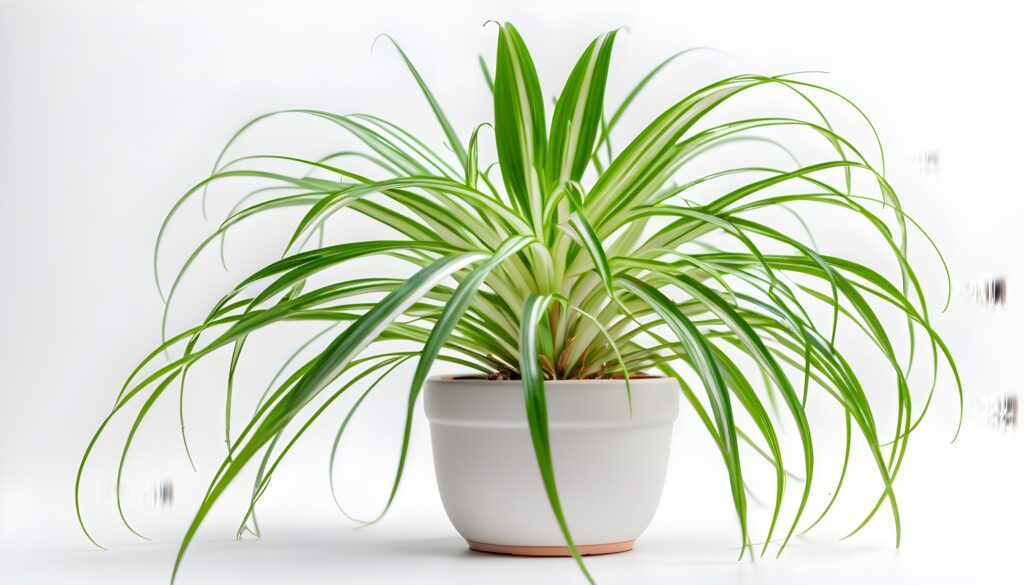
- Removes: formaldehyde, xylene, carbon monoxide
- Care Level: Easy
- Perfect for: Hanging baskets, shelves – their cascading foliage looks fantastic!
- Bonus: Produces “babies” (plantlets) you can easily propagate into new plants, spreading the air-purifying love!
- Pet-Friendly: Yes! A great choice for homes with furry friends.
- Watering and Light Requirements: Prefers bright, indirect light but can tolerate lower light conditions. Water when the top inch of soil feels dry. Avoid overwatering.
2. Snake Plant (Sansevieria trifasciata)
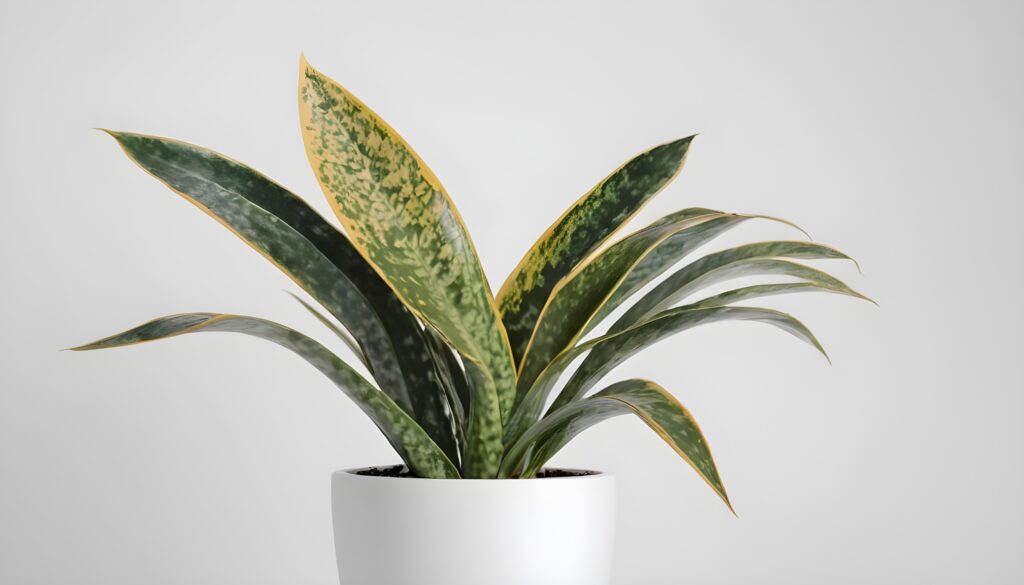
- Removes: benzene, formaldehyde, trichloroethylene
- Special Power: Converts CO2 to oxygen at night, making it a perfect bedroom companion.
- Care Level: Very Easy
- Perfect for: Bedrooms, low-light areas – it’s incredibly adaptable.
- Bonus: Drought-tolerant, making it ideal for those who sometimes forget to water their plants.
- Watering and Light Requirements: Thrives in indirect light but can tolerate full sun. Water sparingly, allowing the soil to dry out completely between waterings. Overwatering is a common killer.
3. Peace Lily (Spathiphyllum)
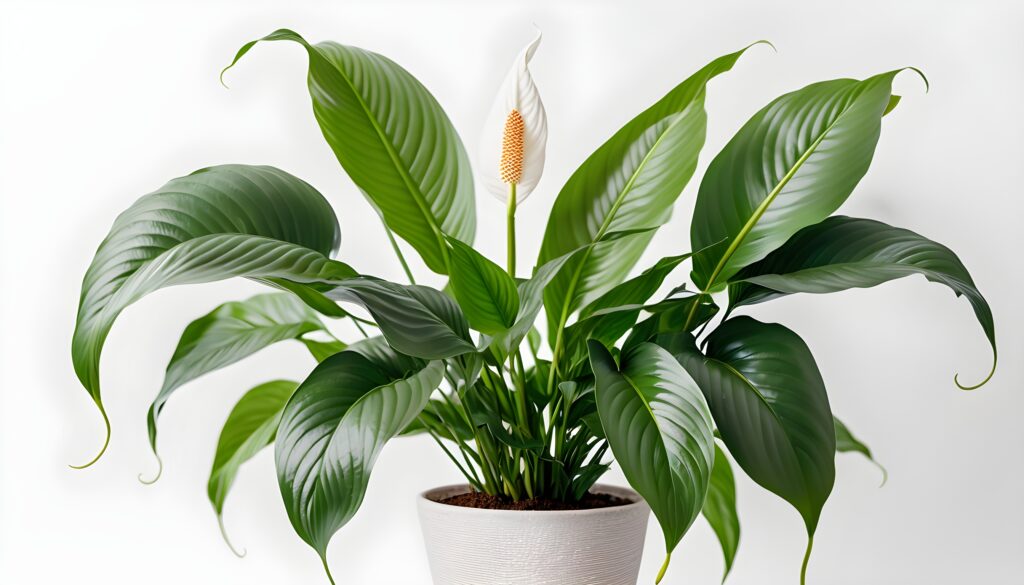
- Removes: ammonia, benzene, formaldehyde, trichloroethylene
- Care Level: Moderate
- Perfect for: Bathrooms (where it can help combat mold and mildew) and offices (to purify stale air).
- Bonus: Produces beautiful, elegant white flowers that add a touch of sophistication.
- Note: Keep away from pets, as it can be toxic if ingested.
- Watering and Light Requirements: Prefers bright, indirect light. Keep the soil consistently moist, but not soggy. Drooping leaves indicate that it needs watering.
4. Boston Fern (Nephrolepis exaltata)
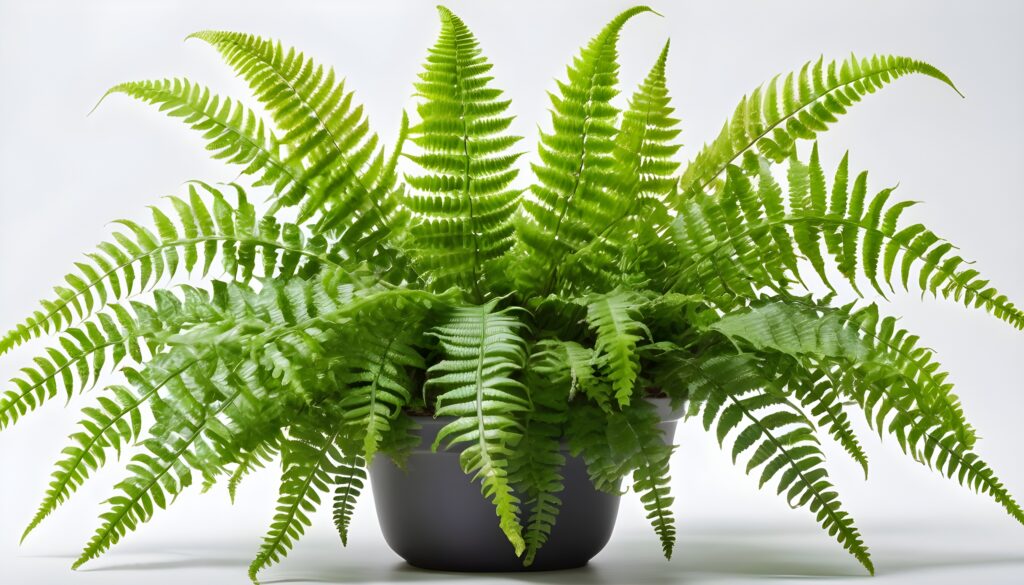
- Removes: formaldehyde, xylene
- Special Power: Acts as a natural humidifier, releasing moisture into the air.
- Care Level: Moderate
- Perfect for: Bathrooms and kitchens, where humidity levels are naturally higher.
- Best in: Bright, indirect light – avoid direct sunlight, which can scorch the fronds.
- Watering and Light Requirements: Requires high humidity and consistently moist soil. Water regularly, and consider misting the fronds to increase humidity. Bright, indirect light is ideal.
5. Bamboo Palm (Chamaedorea seifrizii)

- Removes: benzene, carbon monoxide, formaldehyde
- Care Level: Moderate
- Perfect for: Living rooms and other large spaces, where it can make a significant impact on air quality.
- Bonus: A great air moisturizer, adding to its overall health benefits.
- Watering and Light Requirements: Prefers bright, indirect light, but can tolerate some shade. Water regularly, keeping the soil consistently moist but not waterlogged.
6. Rubber Plant (Ficus elastica)

- Removes: airborne toxins
- Care Level: Easy to moderate
- Perfect for: Living rooms and offices, where it can serve as a striking focal point.
- Watering and Light Requirements: Prefers bright, indirect light. Water when the top inch of soil feels dry. Allow excess water to drain away to prevent root rot.
Tips for Maximizing Air Purification
- Choose the right plants: Select plants that are known for their air-purifying abilities and that are suited to your home’s environment (light levels, humidity, etc.).
- Consider plant size: Larger plants generally have a greater surface area for absorbing pollutants, so opt for larger varieties when possible.
- Use enough plants: The more plants you have, the greater the air purification effect. Aim for at least one plant per 100 square feet of living space. A cluster of plants creates a more significant impact than a single specimen.
- Keep plants healthy: Healthy plants are more effective at purifying the air. Provide proper watering, fertilization, and light to keep your plants thriving. Research the specific needs of each plant you choose.
- Wipe leaves regularly: Dust can accumulate on plant leaves, hindering their ability to absorb pollutants. Wipe the leaves with a damp cloth every few weeks to keep them clean and functioning optimally.
- Repot when necessary: As plants grow, they may become root-bound. Repotting them into larger containers with fresh soil will encourage healthy growth and enhance their air-purifying abilities.
Troubleshooting Common Issues
Signs of Trouble
- Yellowing leaves: Usually overwatering
- Brown tips: Low humidity or too much direct sun
- Drooping: Check water needs
- Pest invasion: Check undersides of leaves regularly
Quick Fixes
- Adjust watering schedule
- Move to different light conditions
- Increase humidity if needed
- Regular cleaning and maintenance
Conclusion
Creating cleaner air at home doesn’t require expensive air purifiers – nature has provided us with beautiful, effective solutions. Start with one or two easy-care plants and gradually build your indoor air-purifying garden. Your lungs (and your home) will thank you!
Pro Tip: Start with one or two hardy plants like Snake Plants or Spider Plants. Once you’re comfortable with their care, gradually add more varieties to your collection.



No comment