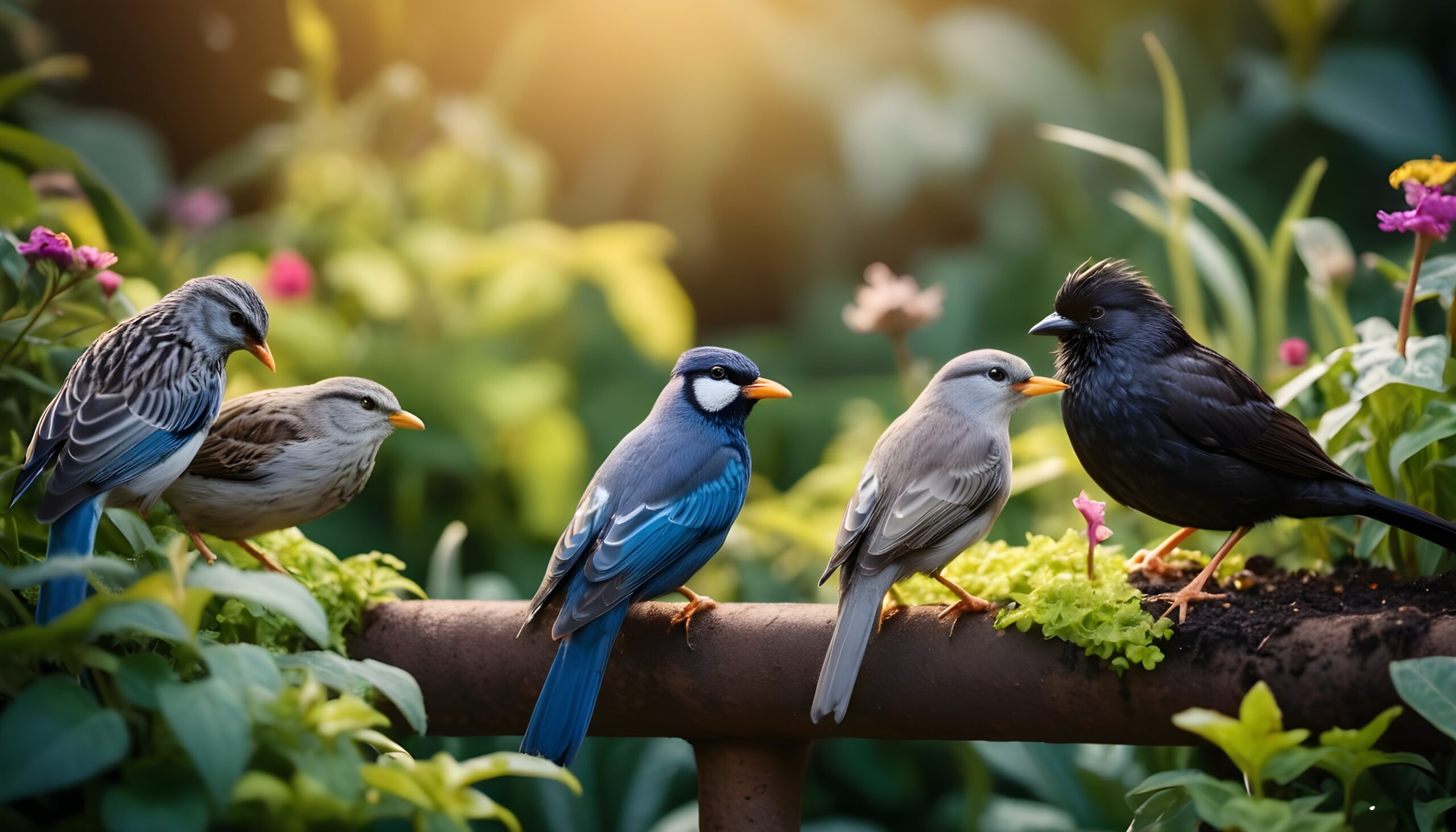
There’s something magical about waking up to the cheerful song of birds in your garden. Attracting birds to your outdoor space not only fills your mornings with nature’s melodies but also helps in maintaining a healthy ecological balance. So, if you’re ready to transform your garden into a bird haven, here are some helpful tips to get started.
1. Offer a Bird Buffet
Birds, like us, love a good meal. To entice them, provide a variety of foods to cater to different species:
- Seeds: Black-oil sunflower seeds, millet, and nyjer seeds are crowd favorites.
- Suet: Perfect for attracting woodpeckers, nuthatches, and chickadees, especially in cooler months.
- Fruits: Chopped apples, oranges, or even raisins can lure fruit-loving birds like robins and orioles.
- Nectar: Mix four parts water with one part sugar to create a homemade nectar for hummingbirds (avoid dyes!).
By setting up multiple feeding stations, you can target a greater variety of birds while reducing competition.
2. Add Water Features
Water is a magnet for birds. Whether it’s for drinking, bathing, or simply cooling off, a water feature can make your garden irresistible:
- Birdbaths: Choose one with a gently sloping basin for safe access, and clean it often to prevent algae or mosquito larvae.
- Moving Water: Birds are attracted to the sound of running water, so consider installing a fountain, bubbler, or dripper.
During colder months, a heated birdbath ensures water remains accessible even when temperatures drop.
3. Plant Bird-Friendly Vegetation
The right plants can make all the difference in attracting birds:
- Native Plants: Native flowers, shrubs, and trees are naturally suited to local birds and often provide nectar, seeds, or berries.
- Berry-Producing Bushes: Plants like holly, elderberry, and juniper are a bird’s favorite snack bar.
- Flowering Plants: Sunflowers, coneflowers, and zinnias attract nectar-feeding hummingbirds and seed-eating finches.
Add layers of vegetation (ground cover, bushes, and tall trees) to mimic a natural habitat and offer shelter.
4. Provide Safe Nesting Spots
Help birds make your garden their home by providing cozy places to nest. Here’s how:
- Birdhouses: Offer ready-made nest boxes suited to species like bluebirds, wrens, or chickadees. Ensure they’re placed in semi-shaded, safe areas away from predators.
- Natural Materials: Leave some brush piles, twigs, or dried grass for birds to use in their nests.
- Hedges and Trees: Dense vegetation provides both nesting sites and protection from predators.
5. Avoid Pesticides and Harmful Chemicals
While pesticides are often used in gardens, they can be harmful to the insects birds feed on and even the birds themselves. Opt for organic gardening methods and let the birds help control pests naturally.
6. Keep It Safe
Your bird-friendly garden should also be predator-safe. Some actions to consider:
- Keep cats indoors or provide supervised outdoor time to prevent them from hunting birds.
- Use anti-collision stickers on large glass panes to deter fatal collisions.
- Avoid placing feeders near areas where birds are more vulnerable to predators.
7. Be Patient and Observant
Birds might not come immediately, so give them time to discover your welcoming habitat. Once they realize your garden offers shelter, food, and water, they’ll become frequent visitors. Spend some time observing their behavior—you might even spot unusual species along the way!
Bonus: Choosing the Right Bird Feeder
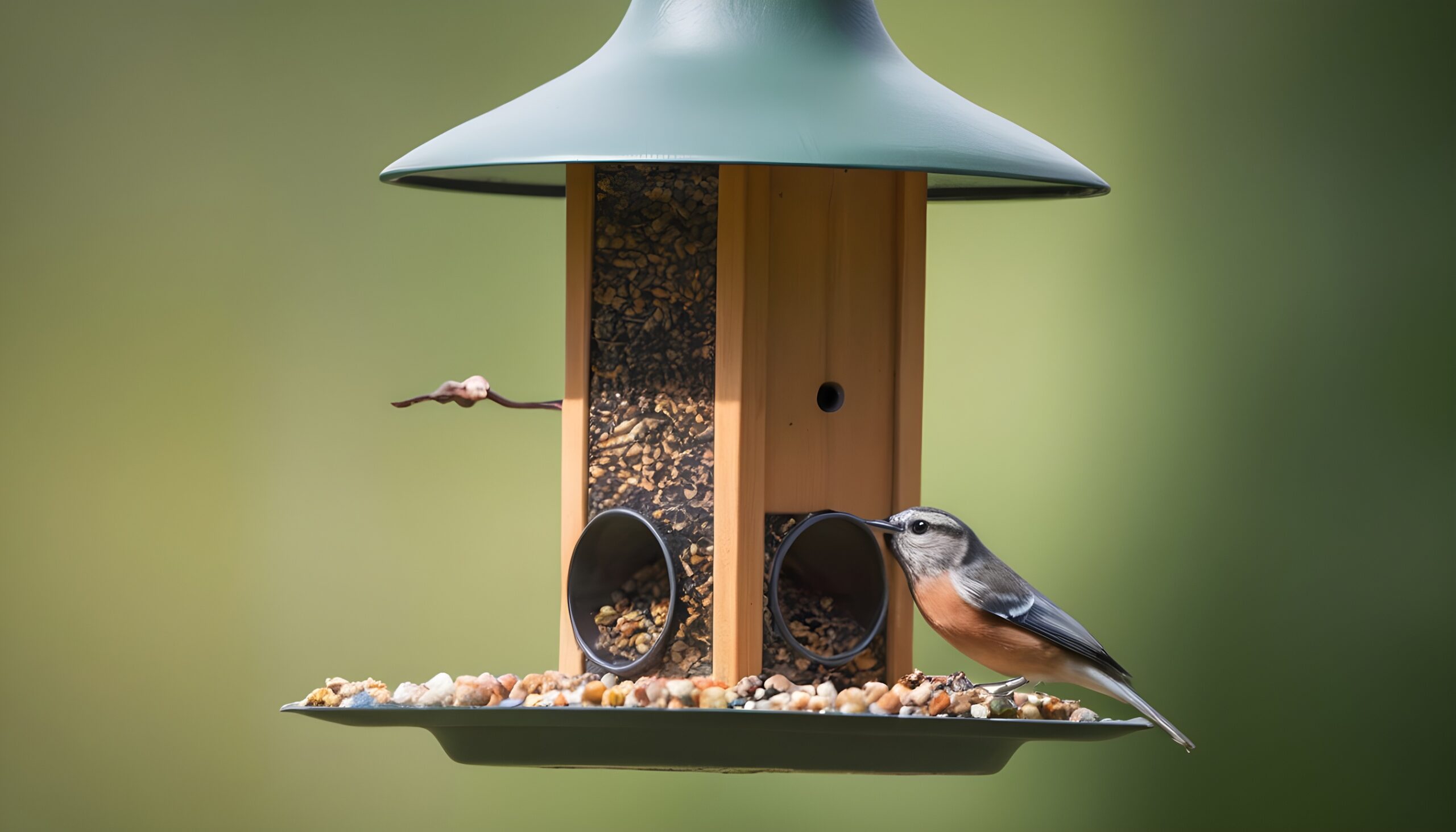
Different species prefer different types of feeders. Here’s a quick breakdown of popular feeder styles:
- Tube Feeders: Great for smaller birds like finches and chickadees.
- Hopper Feeders: These are a good choice for larger birds like cardinals and jays.
- Platform Feeders: Ideal for ground-feeding species like doves and sparrows.
- Nectar Feeders: Designed specifically for hummingbirds and orioles.
Final Thoughts
Creating a bird-friendly garden is a rewarding process that brings nature closer to home. By offering food, water, and safe spaces, you’ll make your garden a sanctuary not only for birds but also for your own enjoyment and connection with the natural world.
Which bird would you love to attract to your garden? Let us know in the comments, and happy bird-watching!


No comment